Yanantin Masintin The Inca Code of Complementarity
“The cosmos did not choose just one pole. It chose two — and what is born between them.”
What is Yanantin Masintin in Andean philosophy
Yanantin Masintin is an Andean concept describing the complementarity of opposites. Yanantin means “the pair” — two poles that belong together. Masintin means “the union” — the creative alchemy when those poles truly meet. Together, they form the second of the 5 Inca Codes: the understanding that light and shadow, masculine and feminine, earth and sky do not oppose each other — they complete each other.
It’s Not Just the Sacred Feminine
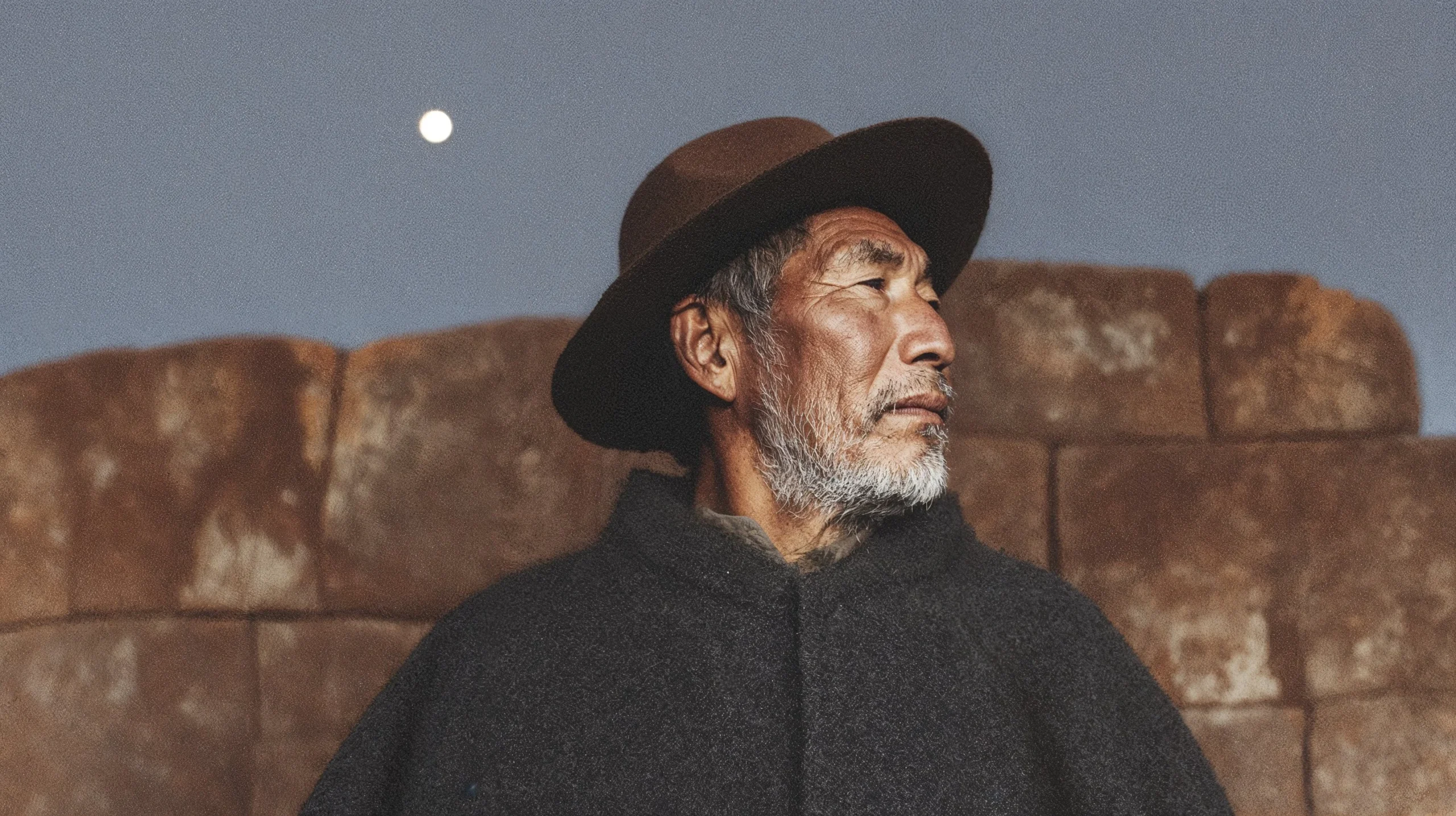
That morning was the first time I saw the moon and the sun at the same time. As a child, it captured my attention. I was eight years old, and my father and I were in Machu Picchu with that wise master. One of the first things my maestro told me was simple enough that I didn’t understand it at the time:
“Look at the sun. Now look at the moon. We don’t need just one. We need both.”
I thought it was poetry.
It took me years to realize he was handing me one of the most precise architectures of the Andean worldview. When I understood, I grasped that it’s not just the feminine that is sacred.
Reality Woven in Pairs
The Incas observed the cosmos with a precision that goes beyond astronomy.
They perceived that reality, on all its planes, organizes itself in pairs. Sun and moon. Day and night. Heat and cold. Earth and sky. Masculine and feminine. Giving and receiving. Abundance and scarcity.
This principle has a name: Yanantin.
In Quechua, Yanantin means opposite. But not opposite as antagonism. Opposite as structural partner. As the half that reveals the other.
Day does not struggle against night. It calls to it. Without night, there is no tomorrow.
The earth does not struggle against the sky. It seeks it. Without sky, there is no rain, no seed, no harvest.
In the Inca worldview, opposites exist to complement each other. And this complementarity has another name.
If Yanantin describes the structure of polarity in reality — the fact that two poles exist — Tinkuy describes the movement: the encounter, the gesture of each pole toward the other.
When we join the two, we have Yanantinkuy: the complementarity of concepts that seem opposite, but that actually belong to each other. During the Spiritual Journey to Peru, pilgrims understand Yanantin Masintin. As ritual, with stories, with experiences that remain forever in hearts.
The Question the West Never Asked
There is something that Inca wisdom perceived and which, for centuries, Western thought treated as a paradox:
Why do opposites attract?
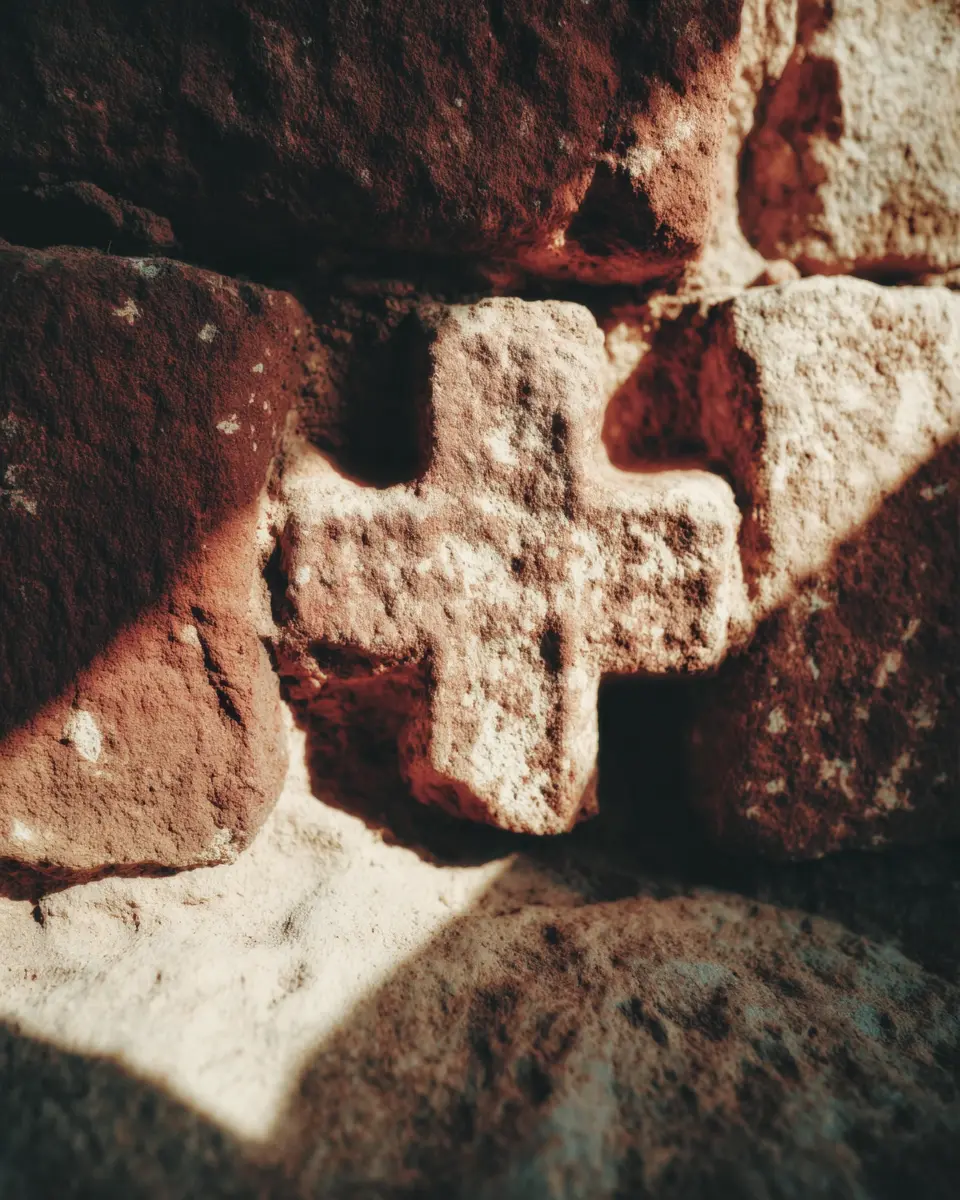
The Andean answer is simple and profound: because they were made for each other. The polarity of reality is not an accident nor a problem to solve. It is the architecture of creation. It is a continuum more than two poles.
But the Incas went further.
They perceived that it’s not enough for two opposites to exist side by side. It’s not enough that they touch. It’s not enough that they form a social pair, a convention, an agreement.
For creation to happen, a deeper force of union must exist.
This is the third concept — the most mysterious and the most powerful: Masintin.
Masintin: The Force That Truly Unites
Masintin goes beyond encounter.
While Yanantin describes the poles and Tinkuy describes the movement of approach, Masintin is the deep capacity of opposites to unite in a real, creative, fertile way. The alchemy of two into one.
The difference seems subtle. But it is enormous.
Two poles can be close their whole lives without producing life. A flame can be near damp wood for years without starting fire. Two beings can share the same space, the same name, the same roof — and never truly meet.
Masintin is something else.
The Andean tradition uses the relationship between masculine and feminine as the most direct example.
Man and woman are Yanantin: complementary opposites in their creative forces. But a new life is not born from the marriage contract. It is born from real alchemy — from the encounter of two creative principles that recognize each other, seek each other, and unite through a force deeper than any convention.
That is Masintin. Magic. The most potent in the universe.
There is an image I have carried since I first heard it:
When the masculine and feminine truly meet, not just a child is born. Light is born. A new possibility is born. A tomorrow that did not yet exist is born.
Frequently asked questions
What does Yanantin Masintin mean?
Yanantin Masintin is a Quechua concept that describes complementary duality. Yanantin refers to complementary pairs (like sun and moon, masculine and feminine), while Masintin refers to the creative union that arises when those pairs truly meet. Together, they describe the Inca understanding that opposites are not enemies — they are two halves of one truth.
What is the difference between Yanantin and Tinkuy?
Yanantin describes the structure — the existence of two complementary poles. Tinkuy describes the movement — the moment of encounter between those poles. And Masintin is the alchemy: what is born when two truly meet. Together they form Yanantinkuy — the full cycle of duality, encounter, and union.
How does Yanantin Masintin apply to relationships?
In Andean wisdom, relationships are not about sameness — they are about complementarity. Two people can share a home and never truly meet. Masintin is what happens when masculine and feminine principles recognize each other deeply, creating something new: light, possibility, a tomorrow that did not yet exist.
Where these words come from
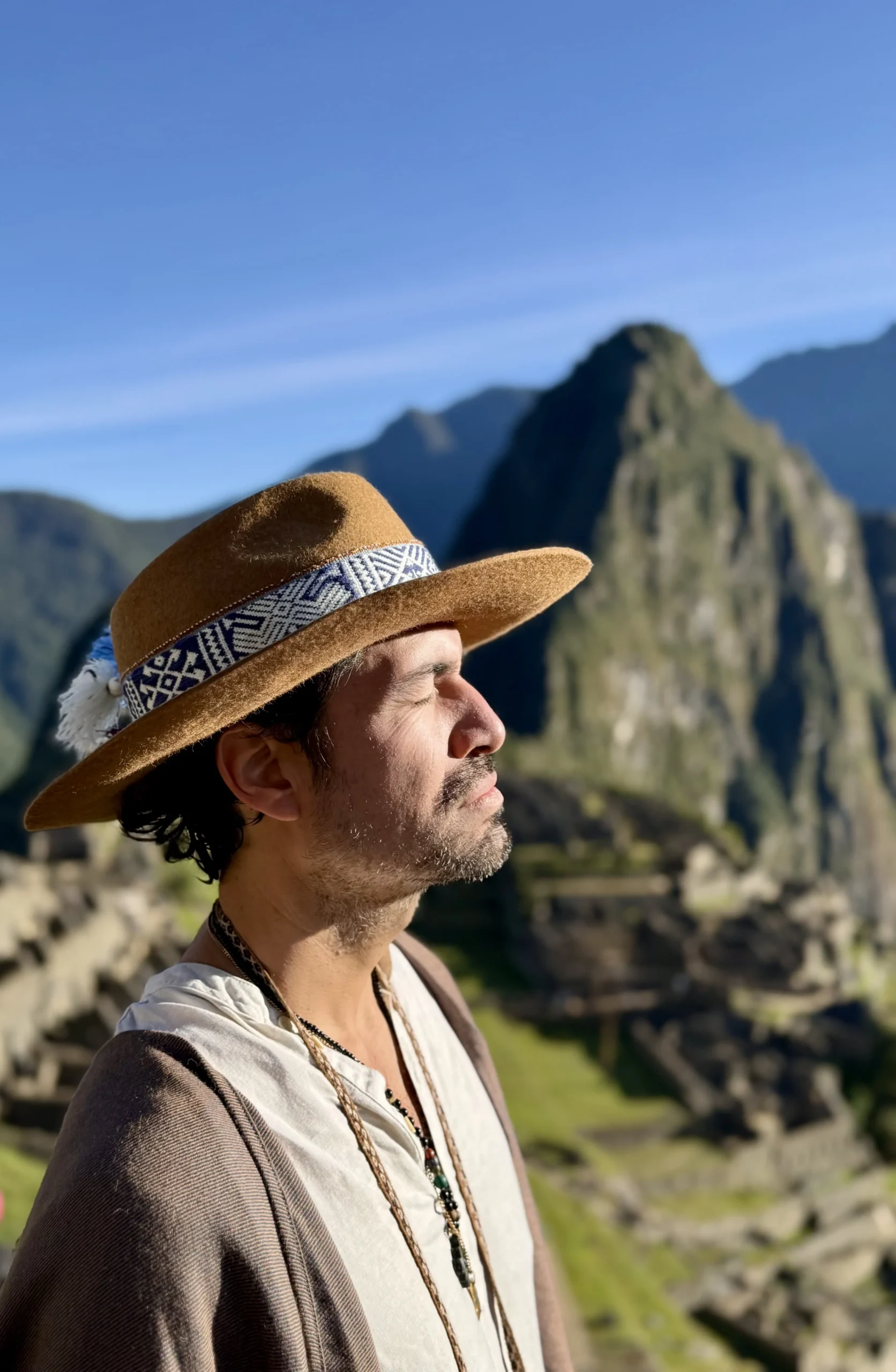
I was born in the sacred mountains of Peru. At 8 years old, I received my first initiation at Machu Picchu — and from that moment on, I have walked the Inca spiritual path.
For 11 years, I have guided groups of spiritual seekers through the physical and energetic paths of Peru. These 5 codes that I share with you are the synthesis of nearly 40 years of spiritual experiences, since that first initiation.
Walking with the 5 Codes in Peru
There is a difference between reading about Yanantin Masintin and walking the stones that teach it. During the Spiritual Journey to Peru, pairs cease to be a concept. They become ritual, story, experience — and remain forever in the heart.
Discover the Journey →