Pachamama The Earth as Teacher
“Sacred Earth Pachamama, I am your child Giuliano. I thank you for welcoming me, mamallai.”
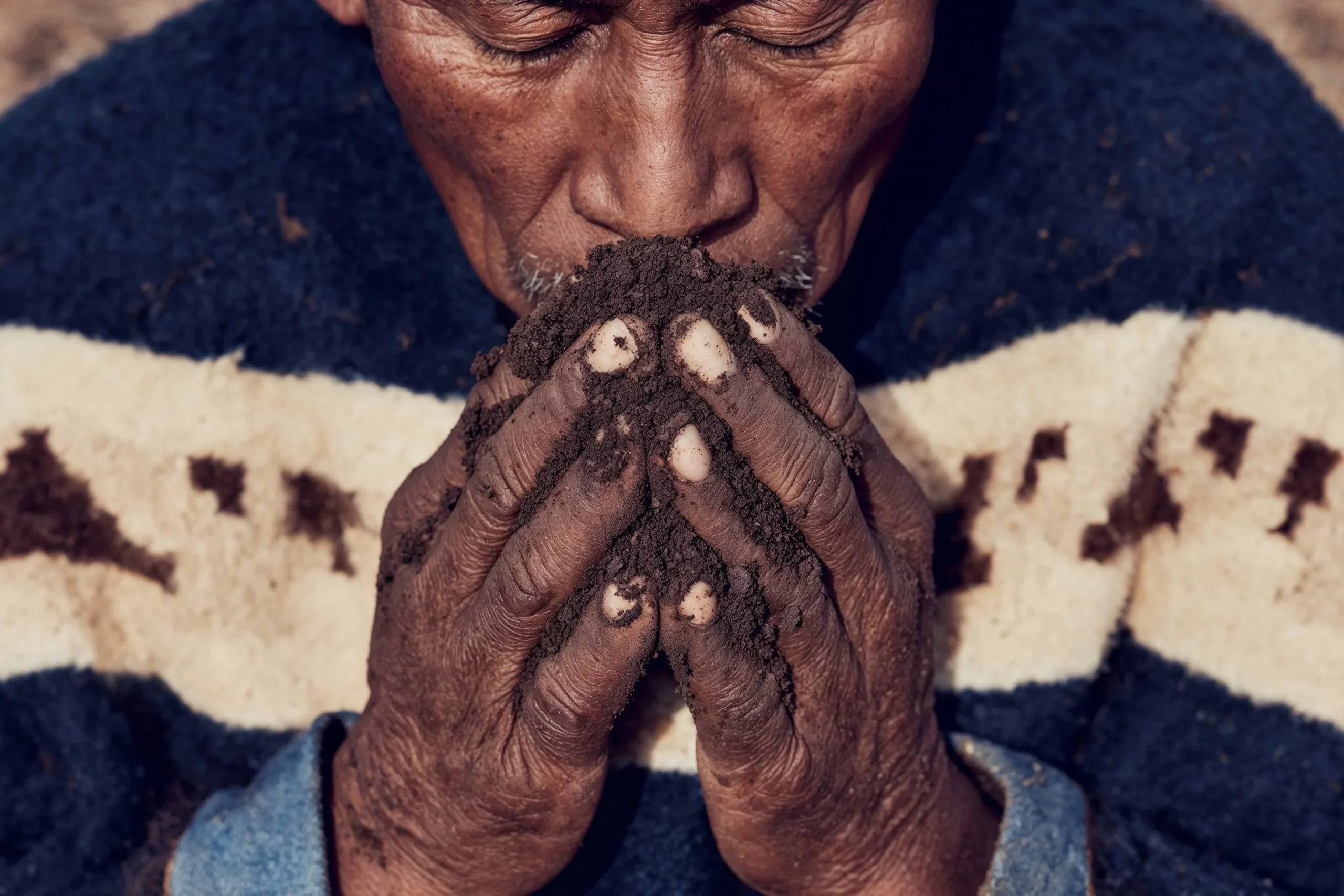
The kiss that taught me
I still feel a chill that smells of longing and earth wetted by rain whenever I remember the maestro who welcomed me and taught me Inca spiritual wisdom. Especially when I recall that gesture full of love and authentic humility he had when we arrived at a community to help its people.
He would kneel, resting his left hand on his left leg to descend slowly. He would exhale gutturally, and with both hands on the earth, he would kiss it.
A lingering kiss, a loving one, the kind you give to your mother in mature recognition for all she has done for you.
A kiss that taught me more about how we relate to Pachamama and to the sacred feminine than four entire books could have.
The Earth is Life
In Andean cosmology, Pachamama — Mother Earth — is not merely the ground we walk on.
She is a living being, conscious, who feels, who responds, who heals. She does not just sustain life: she is life, in its most generous and silent form.
This principle has a name: Yanantin.
Because of this, for the Inca tradition, the relationship with the earth was never too symbolic, never too distant. It was always intimate.
The Incas did not build their temples on the earth as if they were its owners. They built with it, in dialogue. The stones of Cusco, the carvings, the mountains, everything was read with reverence.
Machu Picchu does not dominate the mountain — it belongs to it.
This way of living reveals a profound spiritual principle: healing begins when we stop struggling against that which sustains us.
If Yanantin describes the structure of polarity in reality — the fact that two poles exist — Tinkuy describes the movement: the meeting, the gesture of each pole toward the other.
When we bring the two together, we have Yanantinkuy: the complementarity of concepts that seem opposite, but that in truth belong to each other. During the Spiritual Journey to Peru, pilgrims understand Pachamama. As ritual, with stories, with experiences that stay forever in the heart.
What is Pachamama in Andean spirituality
In Andean tradition, Pachamama means “Sacred Earth” or “Mother Earth” — but she is much more than a symbol. She is a living presence, a teacher, a source of grounding and healing. The first of the 5 Inca Codes of Inner Power, Pachamama teaches that true spirituality begins with humility toward the earth that sustains us.
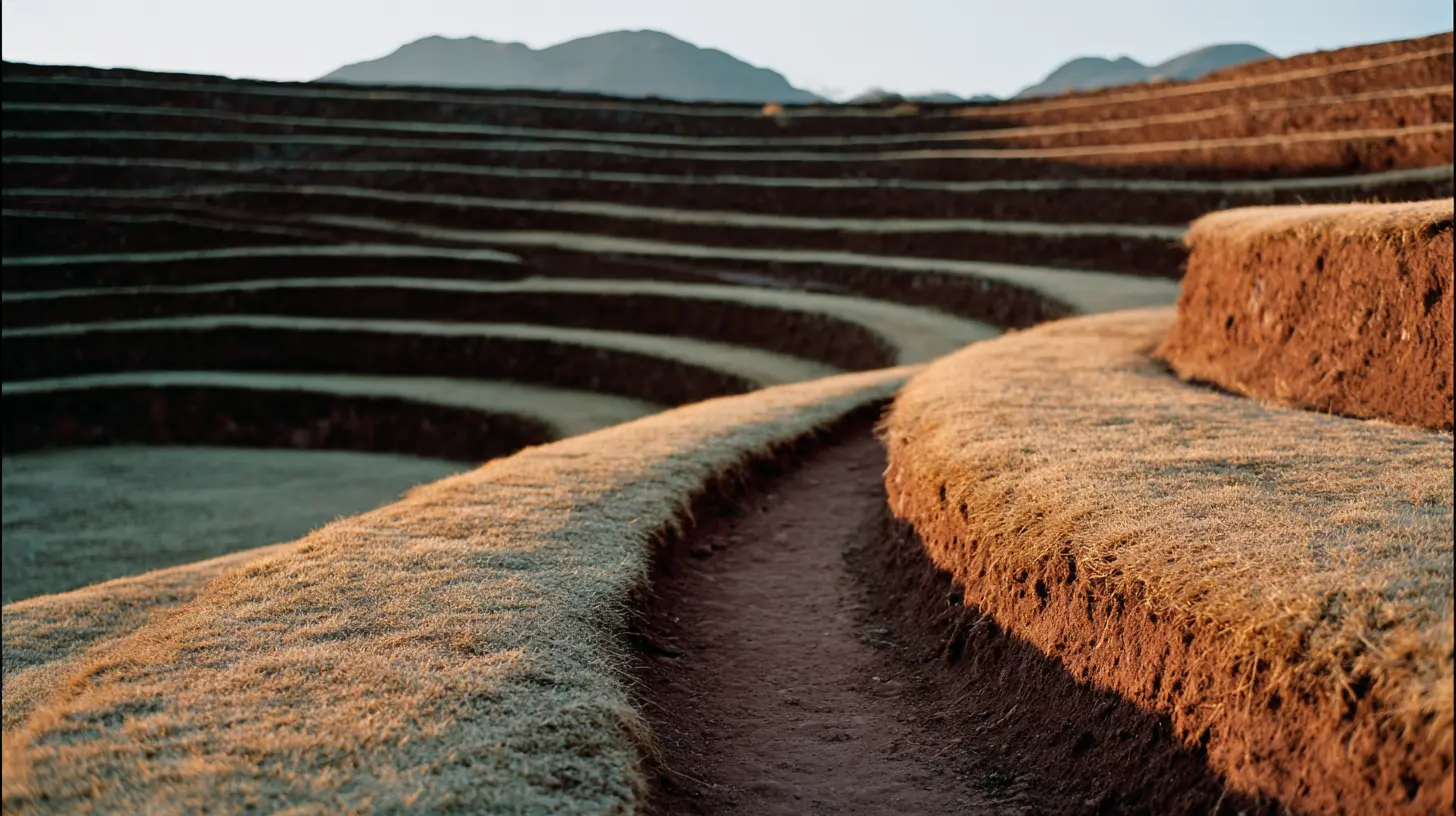
The Earth That Holds What Weighs
Perhaps this is exactly what we have forgotten. We live among concrete, cars, screens, and cold floors. We spend days, weeks, sometimes months without consciously touching the earth.
Something in us still remembers that we came from the earth and we still need her.
And when we distance ourselves from her, we also distance ourselves from an ancient wisdom that the body still recognizes: the wisdom of grounding.
In Andean tradition, the earth also has the capacity to receive what weighs on us.
She receives the hucha — the dense energy we accumulate in worries, fears, sorrows, and excesses. Just as roots transform what is buried into nourishment, Pachamama receives what we can no longer carry and transmutes it into the force of life.
This is why touching the earth is not just a beautiful gesture. It is a form of relationship. A form of prayer. A form of healing.
This is the third concept — the most mysterious and the most powerful: Masintin.
Return to Proportion
This is what I learned from that kiss.
While Yanantin describes the poles and Tinkuy describes the movement of approach, Masintin is the deep capacity of opposites to unite in a real, creative, fertile way. The alchemy of two becoming one.
Before any ceremony, before any words, before even arranging the elements on the Andean altar, perhaps we should begin like this: remembering.
Remembering where we came from. Remembering that the earth is not beneath us, but around us and within us.
Remembering that spirituality without humility becomes abstraction.
The earth teaches humility because it returns us to proportion.
It reminds us that we are not the owners of life, but its children.
This is Masintin. Magic. The most potent in the universe.
And sometimes, a simple gesture of sincere reverence can teach more than long explanations.
The earth is not beneath us. She is around us — and within us.
Frequently asked questions
What does Pachamama mean?
Pachamama is a Quechua word meaning “Sacred Earth” or “Mother Earth.” In Andean cosmology, she is not a metaphor — she is a living, conscious presence. The earth that holds our footsteps, receives our tears, and sustains our lives.
How do you connect with Pachamama?
The Andean tradition teaches a simple gesture: kneel, place your hands on the earth, and offer a word of gratitude. Not as a ritual formula, but as a sincere act of recognition — that we are children of the earth, not its owners.
Is Pachamama the same as Mother Earth?
They are related but not identical. “Mother Earth” is a widespread concept. Pachamama is specifically the Andean living presence — a cosmic being that includes earth, time, and the sacred feminine. In Inca cosmology, she is the foundation of all healing and spiritual growth.
Where these words come from
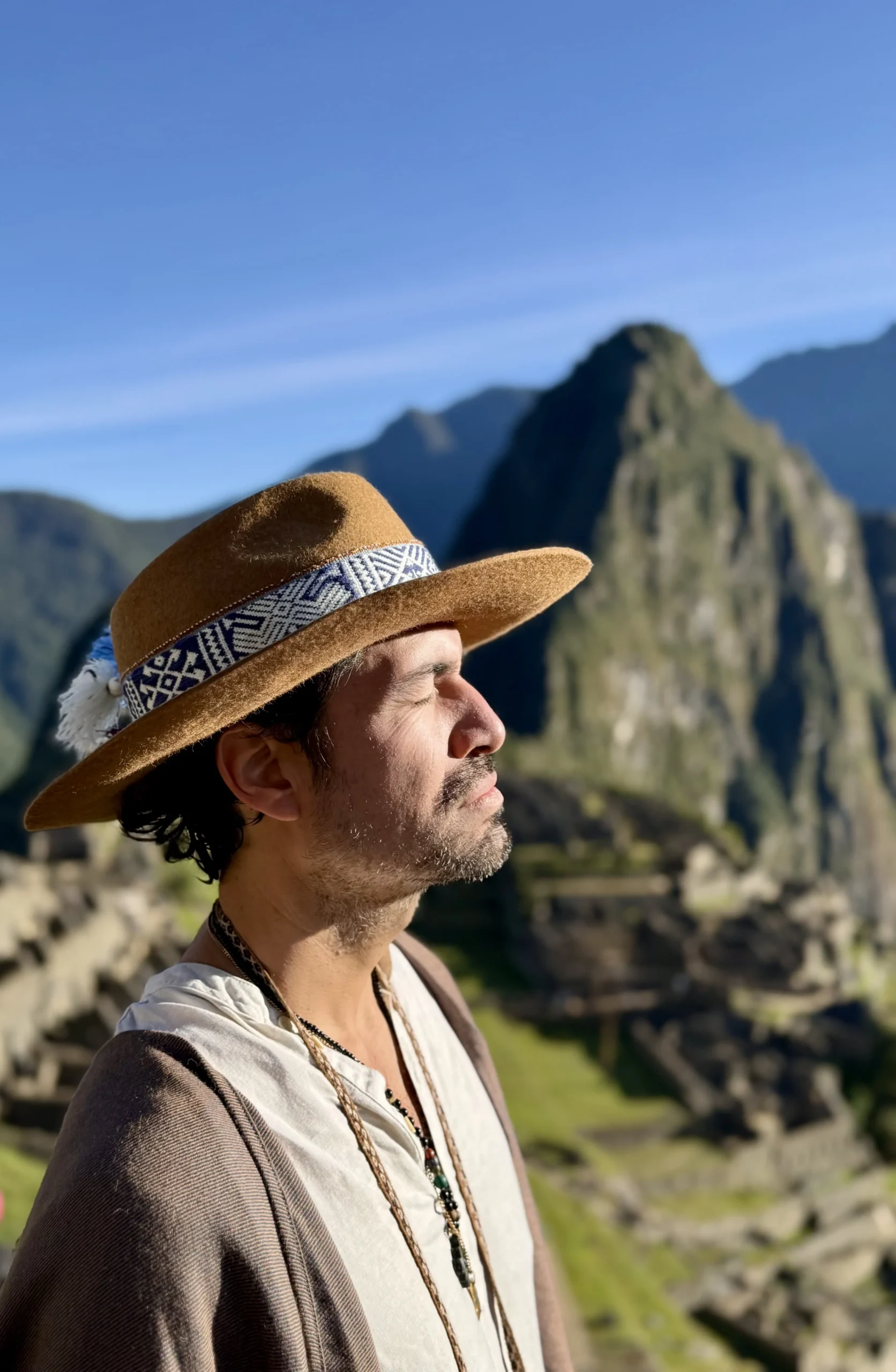
There is a moment in life when the answers the world offers us are no longer enough. Have you felt this? A restlessness that doesn’t pass with a leisure trip, a professional achievement, or a new meditation technique learned in an app. Something deeper. As if a part of you knew, long ago, that there is a path that has not yet been walked. I know this feeling. It accompanied me for years.
I was born in Peru, in a family deeply connected with spirituality. I received my first initiation in Machu Picchu at the age of 8. At the end of my preparation in Inca priesthood, my master told me I should bring the tradition to Brazil. Since then, in eleven years, hundreds of people have crossed with me through the doors of these sacred mountains. These 5 codes transmit the wisdom of my lineage. They are not techniques. They are invitations — to a different way of being in the world.
Walk with the 5 Codes in Peru
There is a difference between reading about Pachamama and walking through the stones that teach her. During the Spiritual Journey to Peru, the pairs cease to be concept. They become ritual, story, experience — and they stay forever in the heart.
Discover the Journey →